Helping kids appreciate their teachers starts with something they recognize: a tricky word that finally made sense, or a question someone took time to answer. At home, a simple question—“What did your teacher help you figure out this week?”—can make the conversation more concrete than asking why teachers are important.
In Poland, October 14 is the Day of National Education, often called Teachers’ Day. It’s an occasion to thank educators, but this conversation fits any school day.
What teachers help young children learn
Alongside reading, counting, and other classroom skills, teachers can help children practice taking turns, asking for help, and trying another approach when they get stuck. For many young children, a teacher is also someone they turn to when they feel unsure about a task or a situation at school.
These everyday examples give parents a way to explain a teacher’s role:
“Your teacher helps you learn new things. When something is tricky, they can show you another way to try. And they once had to learn those things, too.”
That last idea opens up a different conversation. The grown-up who knows how to write a whole sentence was once learning to form a single letter. Knowing something now doesn’t mean it was always easy.
Three questions to start the conversation
There’s no need to work through a whole list. One question over dinner or at bedtime may be enough, especially if your child has a story to tell.
Who helped you learn something?
A specific skill gives your child a starting point: writing their name, learning a game, or knowing what to do when they need help.
The answer doesn’t have to be a classroom teacher. A grandparent, sibling, friend, or coach might come to mind. You can share a memory of your own, too: not just who taught you, but what they did that helped.
If your child names their teacher, a useful follow-up is: “How did they help you?”
What are you still learning?
This question leaves room for something unfinished. Your child might be learning to read a word, wait for a turn, or zip a jacket.
“You can’t do it yet” can frame a skill as something still being learned rather than a failure. But adding “yet” doesn’t make the task easy. Your child may still need help, a different explanation, or a break.
A practical follow-up is: “What would help next time?” The answer might suggest a question your child wants to ask their teacher.
What have you taught someone else?
Young children may not think of showing a friend the rules of a game as teaching. Yet explaining, demonstrating, and helping someone try again are things children can do, too.
If your child can’t think of an example, you might mention something you actually noticed: “You showed your brother how to put that puzzle piece in.”
The point isn’t to assign them a teaching job. It’s to help them recognize an experience they may already have had.
A thank-you card in your child’s own words
A specific memory can become a more personal message than a general “You’re the best.”
A simple starting point is:
“Thank you for helping me __________.”
Your child might finish it with “learn to write my name” or “understand what to do when I got stuck.” Their answer doesn’t need to sound polished. A drawing with a sentence you write down for them works, too.
If your child doesn’t want to make a card, the conversation can stand on its own. And if it brings up something upsetting at school, that deserves attention before a thank-you note.
A bedtime story about who taught the teacher
For a story-based way into this conversation, Storylandia’s Who Taught My Teacher? begins with a question a child might genuinely ask.
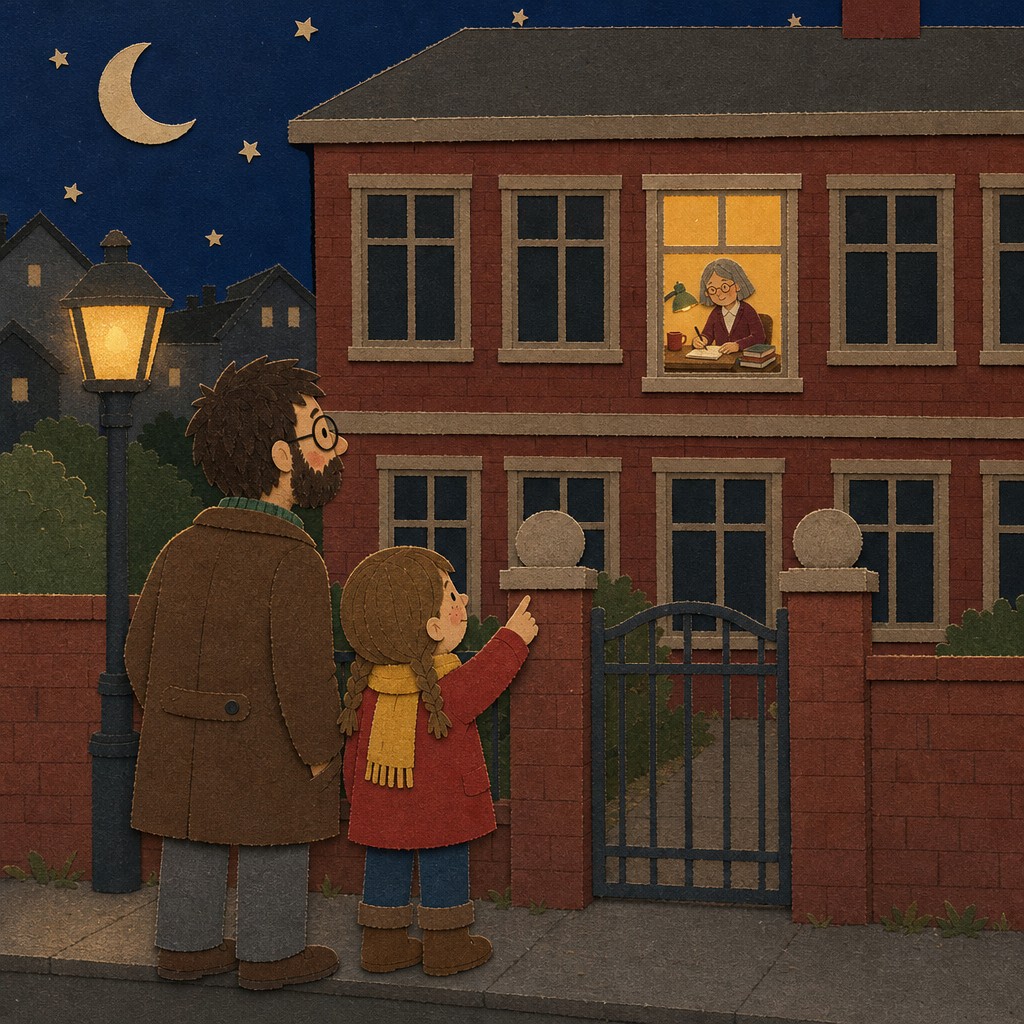
Maya is walking home with Dad when she sees her teacher, Miss Eva, grading notebooks in a lit school window. At bedtime, she wonders: Who taught Miss Eva to write?
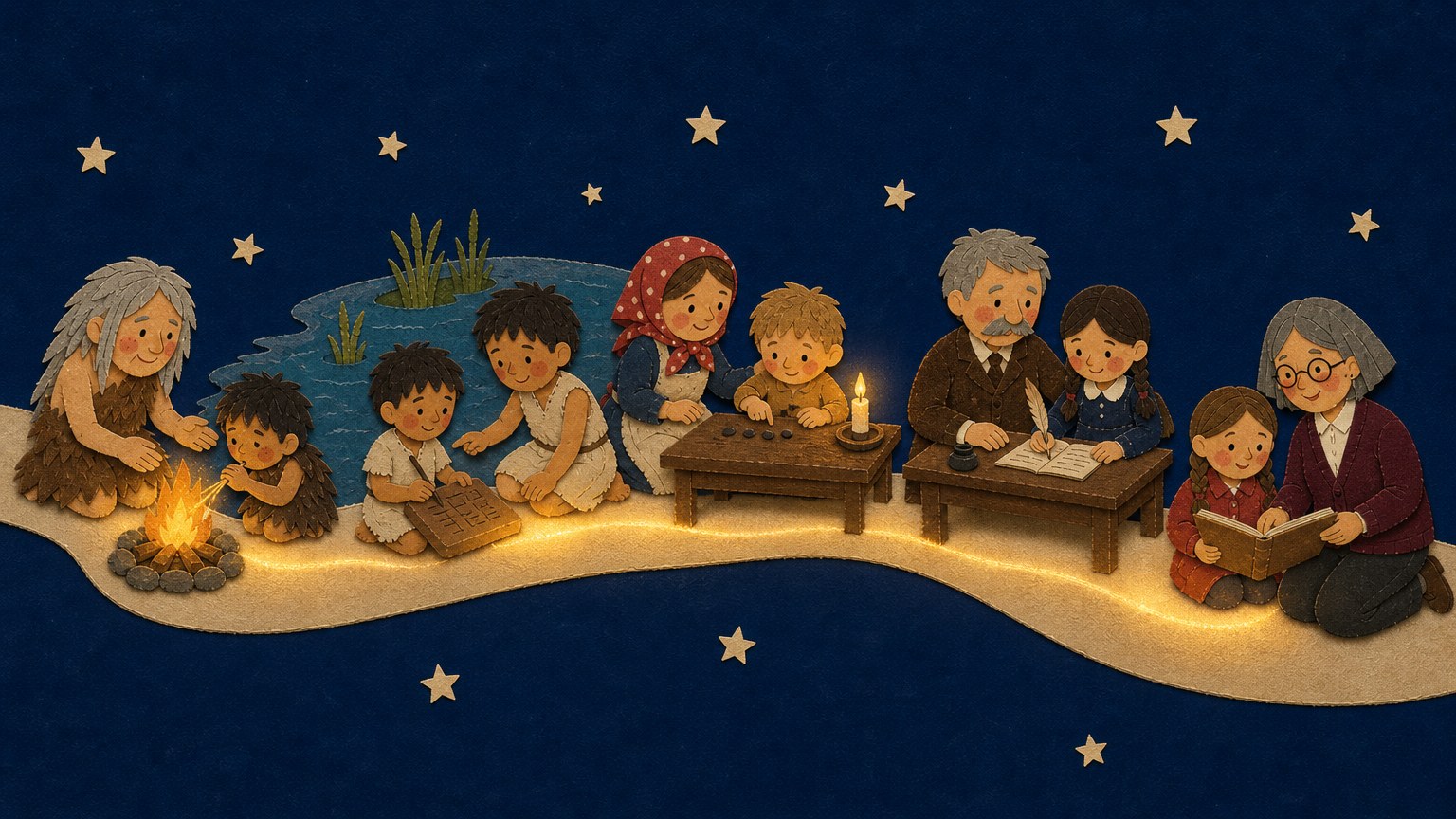
Dad’s answer takes Maya through scenes of people learning with someone else’s help—from counting beans to drawing signs on a clay tablet. The refrain is simple: “Someone who once had to learn it, too.”
By the end, Maya realizes she has taught her little brother something herself. That gives children a concrete example of the idea behind the questions above: teachers were once learners, and children can help someone learn, too.
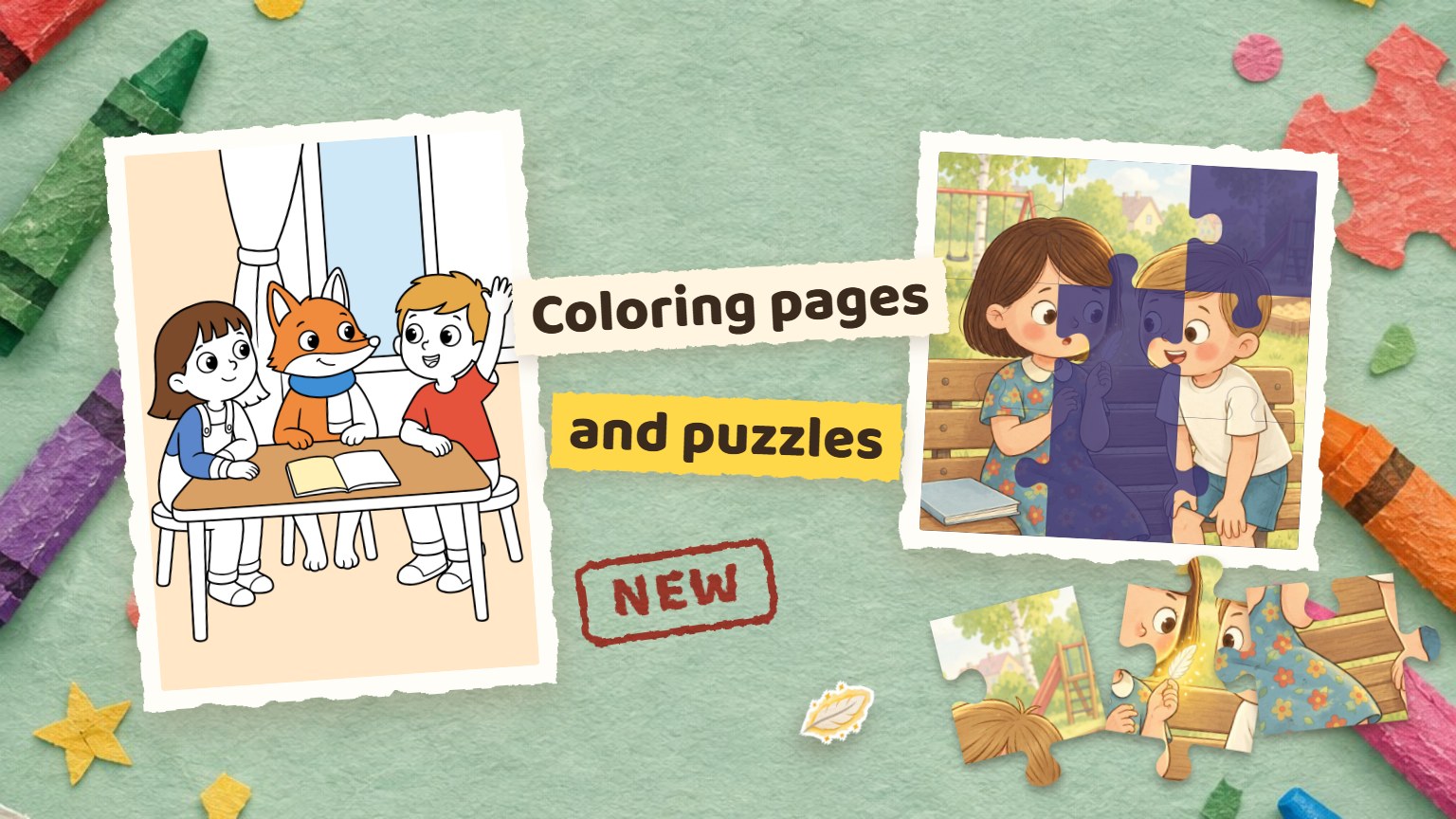
The bedtime audio story is about 16 minutes long and has cut-paper-style illustrations. It comes with printable coloring pages. A coloring page could also become the front of a teacher thank-you card.
A small surprise at the end
Code TEACHER50 adds 50 Magic Quills for creating a personalized story in Storylandia. One possible starting idea is a character who learns something with help, then teaches someone else.
The code details are:
- Redemption deadline: October 18, 2026.
- Quill validity: 30 days after the quills are added to the account.
- Android: The code can be entered in the app’s Magic Quills section, under promo codes.
- iPhone and iPad: The code can’t be entered in the app, so message us on Facebook or Instagram and we’ll add the quills to your account.