The name catches by itself
A child can miss the third call to dinner and still catch their own name murmured half under someone's breath in the next room. That isn't defiance. A name is the first word a child recognizes as meant for them and no one else — and for the whole of childhood it works like a switch that turns attention on.
So a story in which that name is spoken starts with an advantage: the child is already listening.
A hero they don't have to imagine
In an ordinary story, the child makes a quiet leap. There is a hare who is afraid of the dark. There is the child, who is afraid of the dark. Somewhere in between, a bridge has to be built — and a three-year-old does build it, but it costs them effort, and it doesn't always work.
When the hero is the child themselves, there is no bridge. There is no distance to cross: the story happens to them directly.
The dress rehearsal
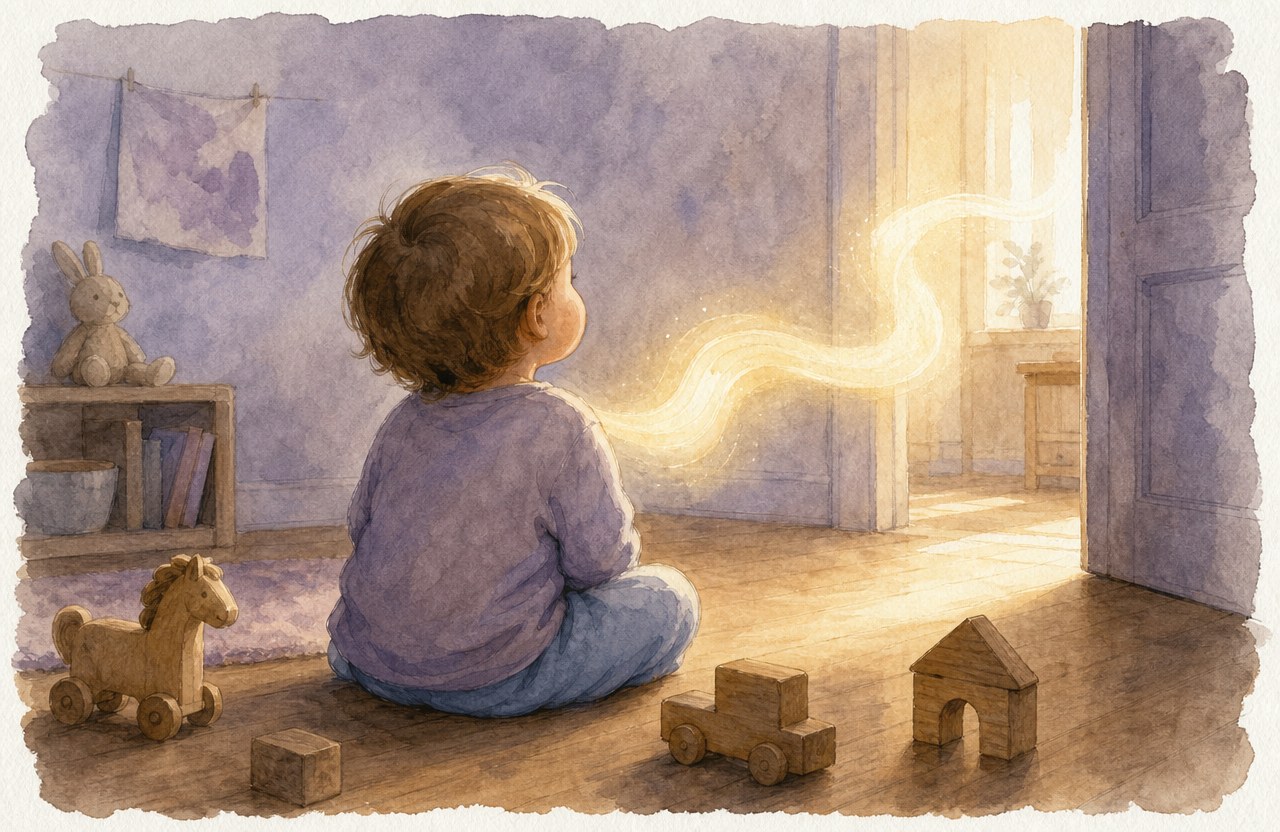
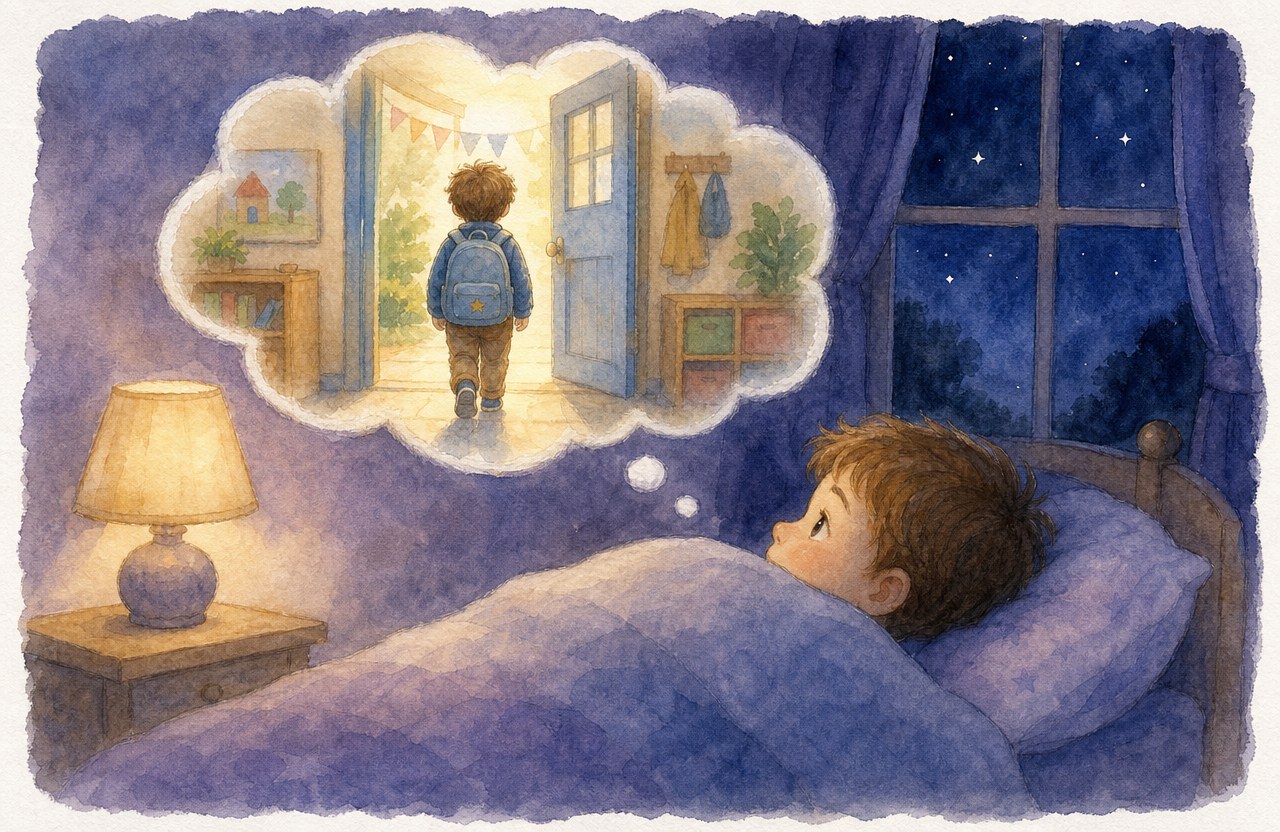
This is where personalization stops being a pleasant extra. A story about a child going to preschool for the first time and managing just fine is something like a dress rehearsal. The child watches themselves doing the thing they are afraid of — and sees that it ends well.
It isn't a promise that things will be easy. It's that the child walks into a new situation already holding a picture of themselves coping with it. That picture had to come from somewhere.
Where personalization runs out
A name on its own is not enough. Swapped into a ready-made plot, it stays an ornament — and the child quickly senses that the story is about someone else anyway.
Personalization only begins to work once the story holds what cannot be swapped in: a dog whose name really is Fela. A grandmother who lives on the far side of the woods. A fear of thunderstorms that this particular week happens to be the most important thing in the world. That is when the child doesn't recognize their name — they recognize their life.
What this means for you
If you are looking for a way to make a child truly listen, start by making the story about them. Not because it flatters them. Because a three-year-old is still assembling their answer to "who am I and what can I do" — and a story in which they are the hero is one of the few things that offers them one.