Cinderella may be a familiar bedtime request, but not every classic fairy tale is a gentle choice. A title alone won’t tell you how a particular version ends or how your child will feel about it. The best place to start is with the story’s content, your child’s mood, and how much they feel like listening to.
How to choose a classic audio story
A few checks can help you narrow the choices before pressing play:
- The version: A fairy tale may differ from the picture book or movie your child knows. Previewing the actual audio story gives you a chance to check sad or frightening scenes, especially the ending.
- The occasion: For bedtime, a version your child already knows and finds comforting may be a better fit than an unfamiliar adventure. A new story can wait for a time when you’re available to listen together.
- The length: A poem can suit a small listening window. A shortened book is another option, but “shortened” doesn’t necessarily mean shorter than a fairy tale.
- Your child’s response: Children of the same age can react differently to a story. If yours seems uncomfortable, pausing or stopping is fine; finishing isn’t the goal.
Afterward, conversation can stay optional. “Was there a part you’d like to talk about?” leaves room for a question without turning listening into a lesson. And if your child simply wants the same story again, there’s no need to move on to something new.
Familiar fairy tales—and two endings to know about
The versions linked below are from the Storylandia story library. Its fairy tales run roughly 800–1,600 words, so these are substantial stories rather than a few lines at bedtime.
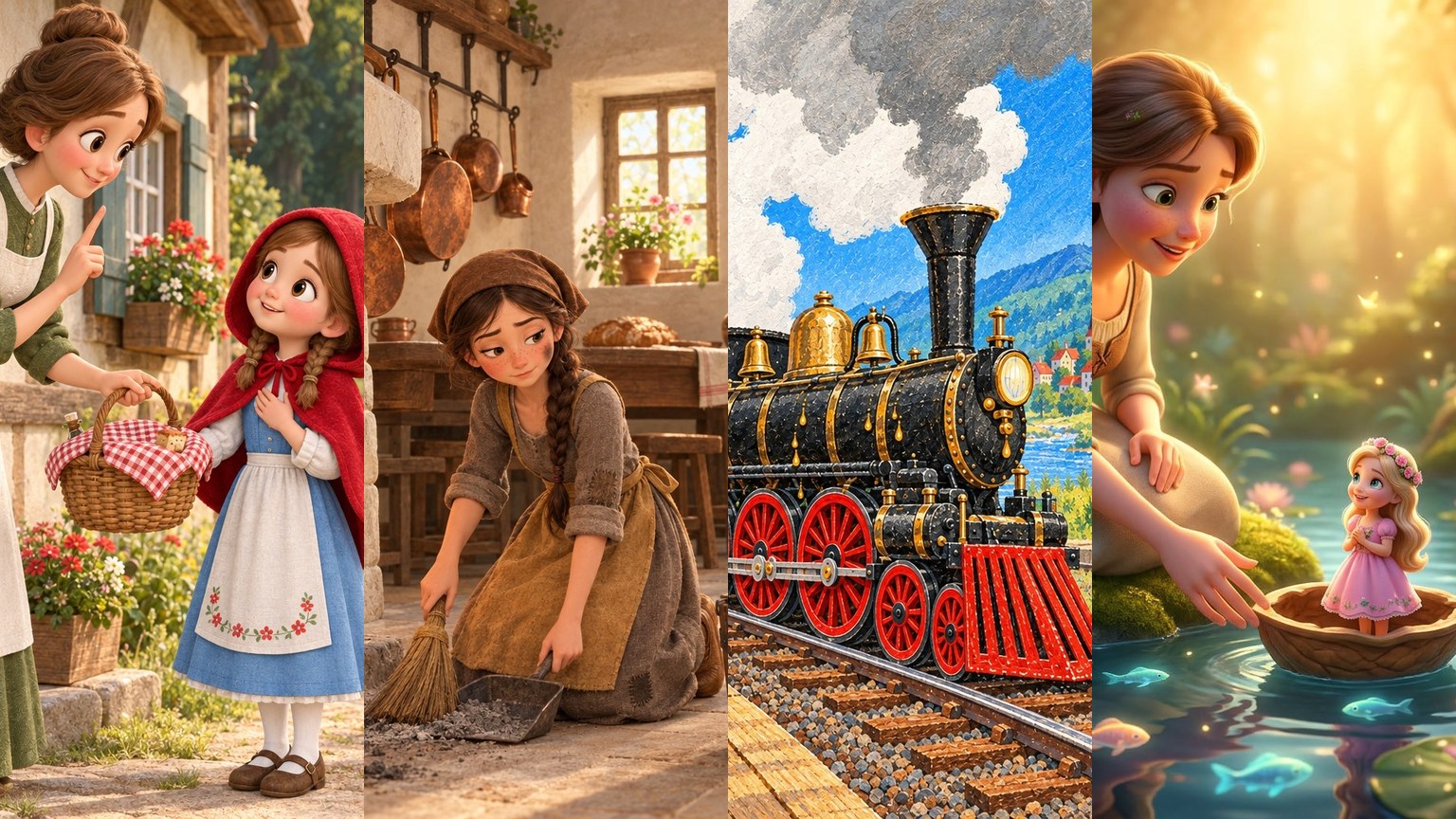
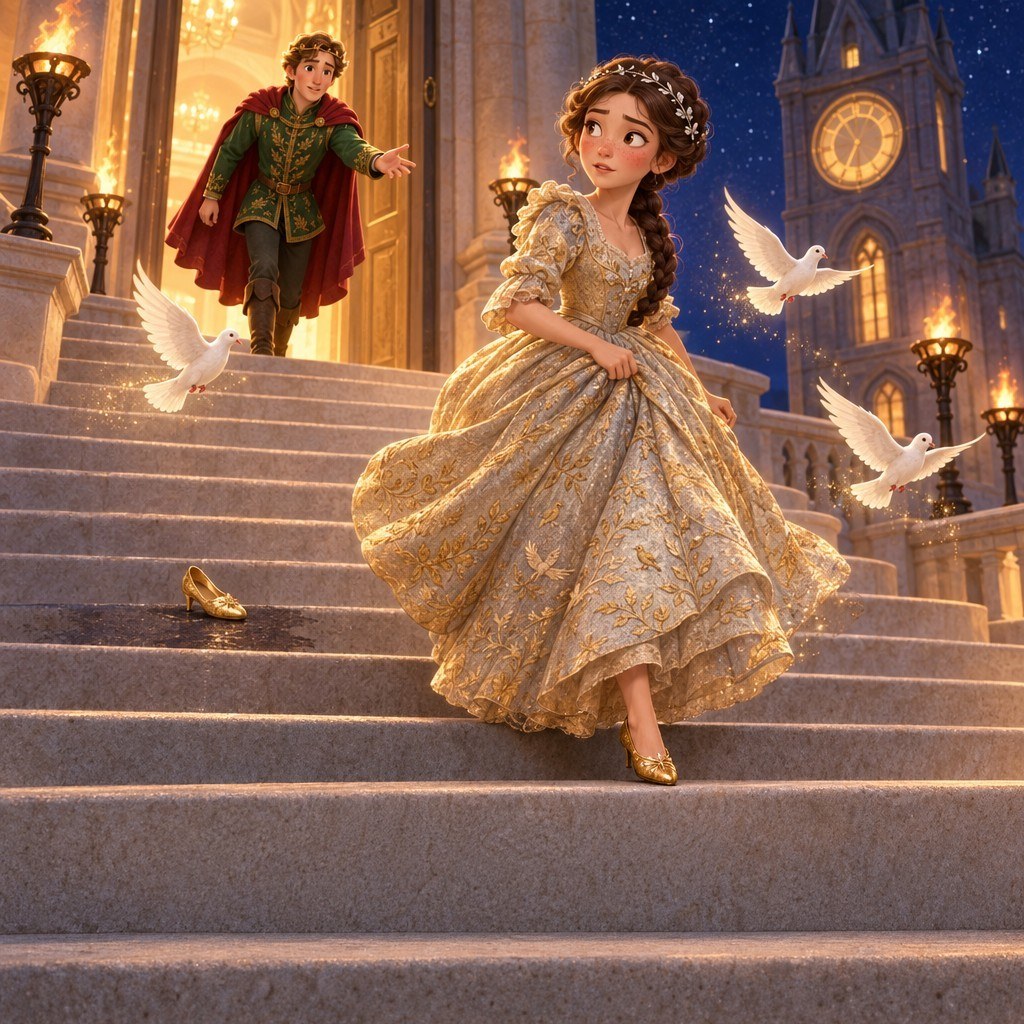
Familiar options include Cinderella, Puss in Boots, The Ugly Duckling, and The Princess and the Pea.
Two Andersen stories need a more specific note. These versions stay close to the originals:
- The Little Mermaid: The mermaid does not marry the prince. She becomes a daughter of the air, so this is not a conventional happily-ever-after romance.
- The Little Match Girl: The story ends with the girl’s death. That is important to know before choosing it for a child, particularly one who finds stories about death upsetting.
Neither title should be treated as an automatic bedtime choice just because it is a well-known classic.
Short Polish poems for a smaller listening window
The English collection also includes Polish classics. Poems offer a different starting point when your child wants something brief rather than a full fairy tale.
- Mr. Hilary's Glasses is about 160 words in this version. It’s a funny poem about a man who turns the house upside down looking for the glasses he is wearing.
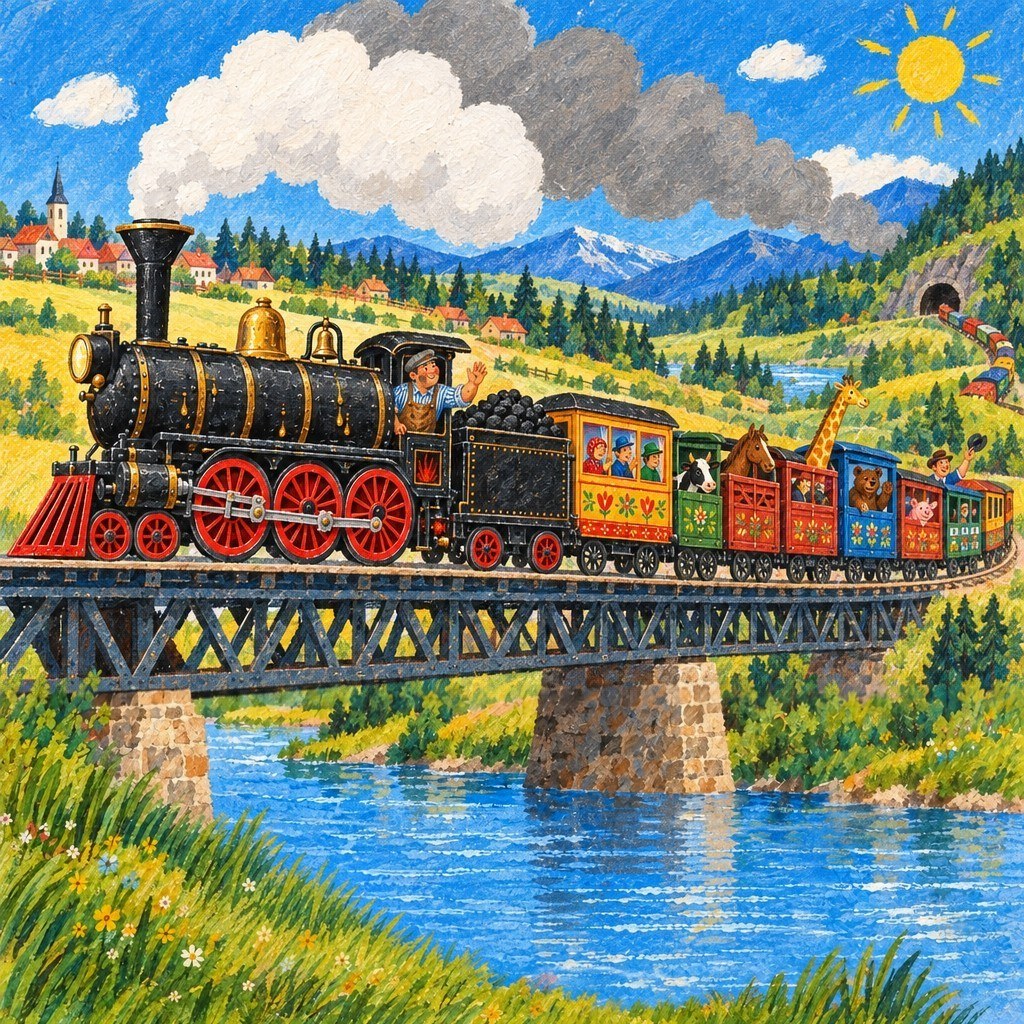
- The Locomotive is about 500 words. Julian Tuwim’s poem follows a huge steam engine as it huffs, puffs, and finally starts to roll.
Another option is The Turnip, Tuwim’s version of the tale in which a family and a growing line of animals try to pull up one stubborn vegetable.
These can also be useful choices for a family that wants to explore Polish children’s literature in English without starting with a longer story.
Longer adventures in shortened versions
For a child interested in a classic book, a retelling offers a shorter introduction. The important distinction is that these are shortened adaptations, not unabridged audiobooks.
The available options include:
- Pinocchio is available as a shortened audio story.
- The Jungle Book is also retold in a shorter version.
- Alice in Wonderland offers another classic-book option.
- Gulliver's Travels is included as a shortened retelling.
- Doctor Dolittle and His Animals completes this selection of book adaptations.
These versions run roughly 1,000–2,200 words each. That range overlaps with the fairy tales above, so the original book’s length is not a useful guide to the length of its audio retelling.